
What Could I Do With My Qualification? Jobs You May Not Have Explored: Biology
Hello, and welcome back to another edition of our ‘What Could I Do with My Qualification? Jobs You May Not Have Explored’ series.
This blog will look at three different biology-related careers, so if science is your subject, keep reading!
Is a career in biology for me?
Perhaps you’re naturally interested in biology. You’re curious about the way living organisms work, or even how they came to be. Maybe you’ve found that you perform well in your biology lessons, and think you’d like to develop those skills further.
Biology can open doors to different career paths, like the medical or environmental fields. We’ve picked three jobs that you might consider if you like biology!
Veterinary Nurse
This one is for those animal lovers out there! Have you always dreamed of helping others in a role that can be stimulating and fulfilling? If so, a career as a veterinary nurse might be for you.
The role involves a range of clinical tasks, such as carrying out medical procedures and nursing animal patients back to health. It would also offer you the opportunity to work within a team that makes a difference to the lives of animals and their owners.
But how do you become a veterinary nurse?
You have three different pathways, and two of them don’t require a university education.
- Apprenticeship – Veterinary Nurse Level 3 Advanced Apprenticeship
- Further Education – Level 3 Diploma in Veterinary Nursing
- Higher Education – University Degree in Veterinary Nursing
There are many different routes to becoming a veterinary nurse, and it’s worth weighing up all your options before taking your next steps. Getting experience in the field will help you understand what route will suit you best.

Nature Conservation Officers
Want to be a part of a movement that not only creates more green spaces but protects and nurtures the green spaces that already exist in your area?
Then perhaps a career as a nature conversation officer is for you! This is a job well suited to people interested in the environment. You’d be a key part of projects to manage and support local wildlife and contribute to the fight against climate change.
But what are the pathways to becoming a Conservation Officer?
Some of the qualifications that can help you get such a role are:
- Apprenticeships – you could start by doing a Level 2 Countryside Worker Apprenticeship or there’s the more advanced option of Countryside Ranger Level 4 Higher Apprenticeship
- T Levels – Agriculture, Land Management and Production
- University Route- Biology Degree, or a related subject
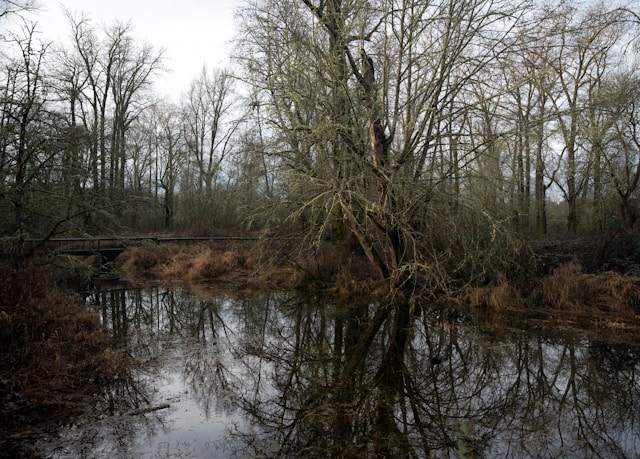
Getting work experience is also valuable when it comes to a role like this. Opportunities to develop your skills can not only enhance your probability of getting a job in the future but will help you discover what you enjoy doing.
There are jobs available that are related to this role; however, volunteering is also a great place to gain experience. If you’re not sure where to start when it comes to exploring volunteering opportunities, check our blog on the value of volunteering.
Laboratory Technicians
Like the idea of working in a lab? Well, if you love getting involved in experiments during your science lessons perhaps the role of laboratory technicians is for you!
As a laboratory technician, you’ll be carrying out different scientific procedures, like running tests and recording data, as well as assisting with the management of the laboratory you’re working in.
Wonder what qualifications could lead on to a role working as a laboratory technician?
Well, we’ve got you covered. Here are some suggestions:
- T Level Route – Science (Laboratory Science) program
- Apprenticeship Route- Laboratory Technician Level 3 Advanced Apprenticeship or if you’re working at a higher level you could search for Technician Scientist Level 5 Higher Apprenticeship roles
- University degree in Biomedical Science, Biology or something similar
Laboratory technician job roles differ depending on where they work. You might work in a hospital lab, or possibly a university. If there’s a specific place you’d like to work, it’s worth researching what each job role is searching for.
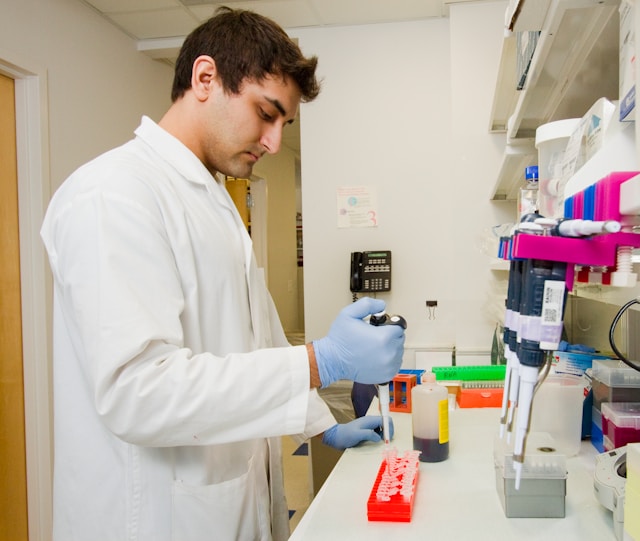
The opportunities go on, and on and on…
Still wondering what other job roles you could do by studying biology? It’s worth researching more into the careers we’ve mentioned today, you don’t know what else you might find!
Anyone studying biology knows how diverse the topic can be and this reflects in the job opportunities the subject has to offer, we need biology lovers like you to fill those roles in the future!